
In the world of advanced skincare science, peptides have become one of the most exciting ingredients for improving skin health and appearance. Among these innovative compounds, Pal-AHK Peptide has gained attention for its potential role in supporting hair growth, strengthening the skin barrier, and improving overall skin vitality. As research into bioactive peptides continues to expand, Pal-AHK is emerging as a valuable component in many modern cosmetic formulations.
This article explores what Pal-AHK peptide is, how it works, and why it is becoming increasingly popular in skincare and hair care products.
What Is Pal-AHK Peptide?
Pal-AHK peptide is a synthetic cosmetic peptide derived from the naturally occurring AHK tripeptide. The name AHK refers to its amino acid sequence: Alanine–Histidine–Lysine. To enhance its stability and effectiveness in topical formulations, scientists attach a palmitoyl group (a fatty acid chain) to the peptide. This modification improves the compound’s ability to penetrate the skin.
Peptides like Pal-AHK are short chains of amino acids that can act as cell signaling molecules. They send messages to skin cells, encouraging specific biological processes that support skin repair, renewal, and protection.
Because of this signaling ability, Pal-AHK peptide has become an interesting ingredient in products aimed at improving both skin health and hair follicle function.
How Pal-AHK Peptide Works
Peptides function as messengers that communicate with skin cells. When Pal-AHK peptide is applied topically, it may help stimulate certain biological activities related to skin maintenance and regeneration.
One of the key roles studied in relation to Pal-AHK peptide involves the regulation of proteins responsible for maintaining the skin’s structure and resilience.
Research suggests that peptides in this category may support:
-
Skin repair processes
-
Cellular regeneration
-
Improved skin elasticity
-
Balanced scalp environment
In addition to its effects on the skin, Pal-AHK peptide has also attracted attention for its possible impact on hair follicle activity, which has made it a popular ingredient in some hair growth serums.
Potential Benefits for Skin
As a skincare ingredient, Pal-AHK peptide is often included in formulas designed to support healthier and more youthful-looking skin. While research is still developing, several potential benefits are commonly associated with peptide-based skincare products.
Improved Skin Firmness
Peptides can help stimulate the skin’s natural repair mechanisms, which may contribute to improved firmness and smoother texture over time.
Support for Collagen Activity
Although Pal-AHK is not a direct collagen molecule, peptides can signal the skin to support its natural collagen processes, which play a crucial role in maintaining skin structure.
Enhanced Skin Barrier Function
Healthy skin relies on a strong protective barrier. Peptides may help support the skin’s ability to retain moisture and protect itself from environmental stressors.
Reduction in Visible Signs of Aging
By supporting cellular renewal and hydration, peptide-based products are often used to reduce the appearance of fine lines and uneven skin texture.
Benefits for Hair and Scalp
In addition to skincare, Pal-AHK peptide has become increasingly popular in hair care research and cosmetic products.
Hair growth and scalp health depend on many biological factors, including proper follicle signaling and nutrient delivery. Peptides like Pal-AHK may play a role in supporting these processes.
Possible benefits include:
-
Supporting a healthier scalp environment
-
Encouraging stronger hair follicles
-
Improving hair density and appearance
-
Supporting normal hair growth cycles
Because of these potential effects, Pal-AHK peptide can sometimes be found in hair serums, scalp treatments, and advanced cosmetic formulations.
Why Peptides Are Popular in Skincare
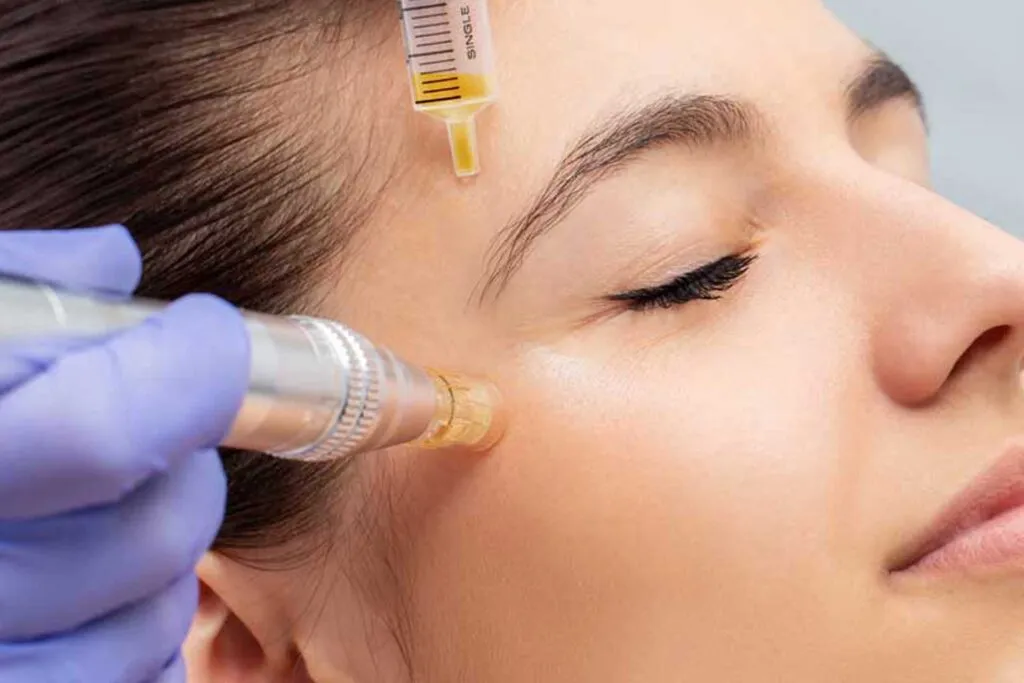
Peptides have become one of the most widely studied groups of ingredients in cosmetic science. Unlike many harsh chemical treatments, peptides are generally considered gentle and compatible with the skin’s natural biology.
They work by supporting natural processes rather than forcing dramatic changes, which is why many dermatologists and skincare experts consider peptide-based formulas a good option for long-term skin health.
Additionally, peptides can often be combined with other beneficial skincare ingredients such as:
-
Hyaluronic acid
-
Niacinamide
-
Antioxidants
-
Botanical extracts
This compatibility makes them easy to incorporate into advanced skincare routines.
How Pal-AHK Peptide Is Used in Products
Pal-AHK peptide is typically used in topical cosmetic formulations. These may include:
-
Anti-aging serums
-
Skin repair creams
-
Scalp treatments
-
Hair growth serums
The palmitoyl modification helps improve the peptide’s ability to penetrate the outer layer of the skin, allowing it to interact more effectively with skin cells.
For best results, products containing peptides are usually applied regularly as part of a daily skincare routine.
Safety and Cosmetic Use
Peptides like Pal-AHK are commonly used in cosmetic and skincare products and are generally considered safe when used as directed in topical formulations. Because they mimic naturally occurring biological molecules, they tend to be well tolerated by most skin types.
However, as with any skincare ingredient, individuals with sensitive skin should consider performing a patch test before using a new product.
Cosmetic peptides are intended to support skin health and appearance, rather than serve as medical treatments.
The Future of Peptide-Based Skincare
Peptide science continues to evolve, and compounds like Pal-AHK Peptide represent just one example of how biotechnology is shaping the future of cosmetic formulations.
As researchers gain a deeper understanding of how peptides influence cellular communication, more targeted skincare solutions are likely to emerge. These developments may lead to new products that support skin regeneration, hair health, and overall cosmetic wellness in increasingly sophisticated ways.
For individuals interested in modern skincare innovation, Pal-AHK peptide stands out as a fascinating ingredient that reflects the growing intersection between biology, chemistry, and cosmetic science.
Leave a Reply